Nutrition Guide for Toddlers in Singapore: What and How Much to Feed
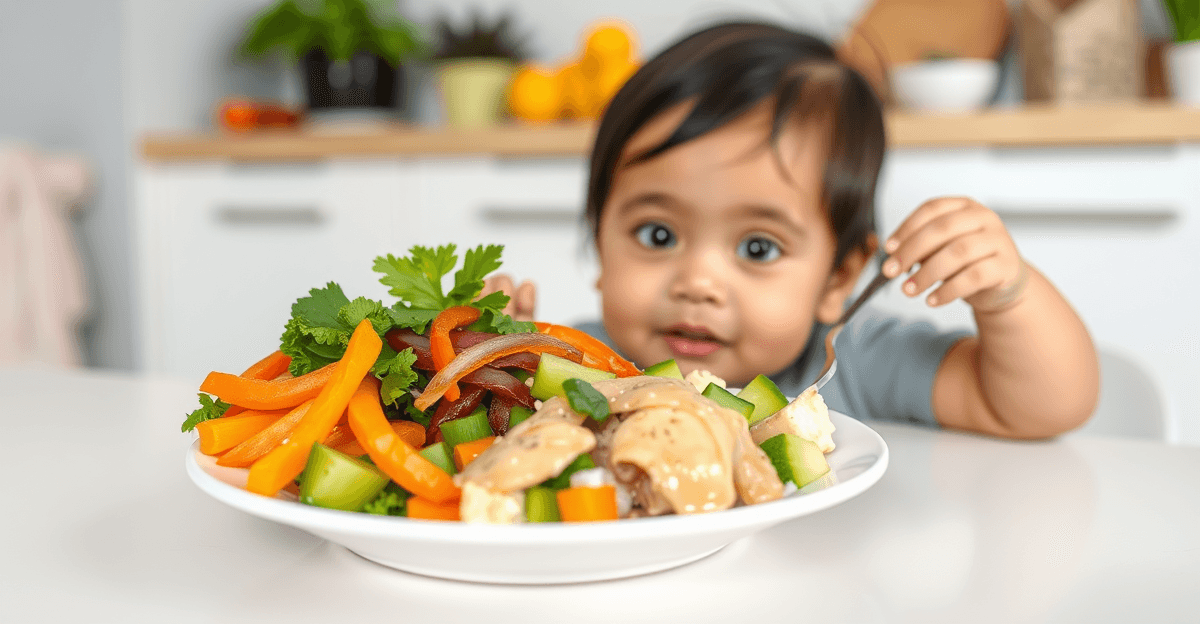
Key Takeaways
- Toddlers (1–3 years) need about 1,000–1,200 calories per day from a mix of grains, protein, vegetables, fruit, and dairy.
Nutrition Guide for Toddlers in Singapore: What and How Much to Feed
If you've survived the early days of purees and rice cereal, congratulations — you've graduated to the wild world of toddler eating. And by "eating," we mean throwing rice on the floor, refusing yesterday's favourite food, and demanding only white-coloured items. This nutrition guide for toddlers in Singapore is here to help you navigate what (and how much) to actually feed your little one between ages 1 and 3, based on Health Promotion Board (HPB) recommendations and real-life local context. Because feeding a toddler in Singapore comes with its own unique set of challenges — from well-meaning grandparents pushing more rice to the overwhelming wall of "growing-up milk" at FairPrice.
> TL;DR — Key Takeaways > - Toddlers (1–3 years) need about 1,000–1,200 calories per day from a mix of grains, protein, vegetables, fruit, and dairy. > - Offer 3 small meals and 2 healthy snacks daily. Serving sizes are much smaller than you think — a toddler protein serving is just 1 small matchbox-sized piece of meat. > - Full-cream fresh milk is fine from 12 months. Growing-up milk (stage 3/4 formula) is not necessary and not recommended by HPB. > - Add variety with local foods: sweet potato, ikan bilis, spinach, tofu, papaya, and eggs are affordable, nutritious staples. > - Limit salt, sugar, and processed foods. Toddlers under 2 should have no added sugar where possible.
How Much Should a Toddler Eat? Daily Serving Sizes for Singapore Toddlers
The single biggest source of mealtime stress is not knowing what "enough" looks like. Here's the reality: toddler portions are tiny. A full day's food for a 1-to-3-year-old would barely fill an adult's single plate.
Based on HPB's recommended dietary guidelines for toddlers, here is what a full day should roughly include:
| Food Group | Daily Servings | What 1 Serving Looks Like |
|---|---|---|
| Brown rice & wholemeal bread (grains) | 2–3 servings | ½ bowl of rice, 1 slice of bread, or ½ cup of noodles |
| Fruit | ½–1 serving | 1 small wedge of papaya, ½ banana, or 1 small mandarin orange |
| Vegetables | ½–1 serving | ¼ bowl (about 3–4 tablespoons) of cooked veggies |
| Meat, fish, eggs, tofu (protein) | ½–1 serving | 1 matchbox-sized piece of fish/chicken, 1 egg, or ½ block of soft tofu |
| Milk & dairy | 2 servings | 250ml milk per serving (total ~500ml/day) |
What to Feed Your Toddler: A Singapore Nutrition Guide Using Local Foods
You don't need imported quinoa or high-end organic baby food pouches (though if that's your thing, no judgement). Singapore's local produce and hawker staples offer plenty of affordable, nutrient-dense options for toddlers.
Iron-Rich Foods (Critical at This Age)
Iron deficiency is one of the most common nutritional problems in Singapore toddlers — partly because many kids drink too much milk and not enough iron-rich solids. Prioritise these:
- Eggs — Cheap, versatile, and packed with iron and protein. A tray of 30 eggs costs about $5–$7 at NTUC FairPrice.
- Ikan bilis (anchovies) — Calcium powerhouse. Toast them lightly for a crunchy snack or stir into porridge.
- Tofu — Soft tofu is easy for toddlers to eat and a staple protein in local cooking. About $1–$2 per block.
- Chicken liver — One of the richest sources of iron. Cook it into porridge and your child won't even notice.
- Spinach (bayam) — Widely available at wet markets for $1–$2 per bunch. Steam or add to soup.
Local Fruits and Vegetables
Skip the imported blueberries at $8 a punnet (unless they're on offer at WhyNotDeals) and look at what's in season locally:
- Papaya — Soft, naturally sweet, rich in vitamins A and C. Available year-round in Singapore.
- Banana — The ultimate no-prep toddler food. Local pisang mas (lady finger bananas) are sweet and the right size for small hands.
- Sweet potato — Excellent source of beta-carotene. Steam and mash for a snack, or cut into finger-food wedges. If your little one loves sweet potato, they might also enjoy treats like Ah Ma QQ Bowl's handmade sweet potato balls — a fun local snack for the family.
- Broccoli, kailan, chye sim — Steam until soft. Offer regularly even if rejected — research shows toddlers may need 10–15 exposures before accepting a new food.
Grains and Carbohydrates
HPB recommends introducing wholegrains early. Mix brown rice with white rice (start with a 1:3 ratio and gradually increase). Wholemeal bread, oats, and bee hoon are also good options. Avoid sugary cereals marketed for kids — check the nutrition label and aim for less than 5g of sugar per serving.
The Growing-Up Milk Question: Do Toddlers in Singapore Really Need It?
This deserves its own section because the marketing pressure is intense. Walk through any supermarket or pharmacy in Singapore and you'll see walls of stage 3 and stage 4 "growing-up milk" from brands like Similac, Enfagrow, S-26, and Friso, priced from $30 to $70+ per tin.
Here is what HPB, the Singapore Paediatric Society, and the WHO all agree on: growing-up milk is not necessary for healthy toddlers. From 12 months, children can transition to full-cream fresh milk (or UHT milk) and get the rest of their nutrients from food.
A tin of growing-up milk costs $40–$65 and lasts about 2 weeks. Full-cream fresh milk costs about $3.50–$6 per litre. Over a year, that's a potential saving of $800–$1,200 — money that could go into your child's education savings instead.
Of course, if your child has specific dietary needs or allergies, always follow your paediatrician's advice. But for the average healthy toddler, fresh milk + a balanced diet is sufficient and far cheaper.
Sample Toddler Meal Plan: A Day of Eating in Singapore
Here's what a realistic day of toddler meals might look like using foods easily available in Singapore:
- Breakfast (7:30am)
- ½ slice wholemeal bread with a thin spread of peanut butter (no added sugar)
- ¼ banana, sliced
- 150ml full-cream milk
- Mid-Morning Snack (10:00am)
- 2–3 cubes of steamed sweet potato
- Water
- Lunch (12:00pm)
- ½ small bowl of porridge with minced chicken and spinach
- A few pieces of soft steamed broccoli
- Water
- Afternoon Snack (3:00pm)
- 2 small wedges of papaya
- 150ml full-cream milk
- Dinner (6:00pm)
- ½ small bowl of rice with steamed fish (deboned) and mashed tofu
- A few pieces of steamed carrot
- Water
- Before Bed (7:30pm)
- 200ml full-cream milk
Total milk for the day: ~500ml. Total meals: 3 meals + 2 snacks. No growing-up milk needed.
Common Toddler Nutrition Mistakes Singapore Parents Make
We've all been there. No guilt — just awareness so we can adjust:
1. Too Much Milk, Not Enough Food
This is the number one issue. When toddlers drink 700–800ml+ of milk daily, they simply aren't hungry enough for solids. This leads to iron deficiency and poor eating habits. Cap milk at 500ml and offer it after meals, not before.2. Relying on Processed Snacks
Those baby biscuits, puffs, and "organic" baby snacks from the supermarket are convenient but often loaded with sugar and sodium. Check the label. A piece of fruit or steamed sweet potato is a better snack.3. Adding Salt and Sauces Too Early
Toddlers under 2 need less than 1g of sodium per day (about ⅖ of a teaspoon of salt). When cooking for the family, set aside the toddler's portion before adding soy sauce, fish sauce, or oyster sauce. When ordering hawker food for your child, ask for less salt ("少盐" or "kurang garam").4. Giving Up on Rejected Foods Too Quickly
Your toddler refusing broccoli three times does not mean they hate broccoli forever. Studies consistently show that repeated exposure — up to 15 times — can shift acceptance. Keep offering without pressure. Model eating the same food yourself.5. Too Much Screen Time During Meals
It's tempting to put on Cocomelon so your toddler will sit still and eat, but screen-based eating can lead to overeating and poor hunger-cue recognition. We have a full guide on managing screen time for toddlers if this is a struggle in your household — you're definitely not alone.When to See a Doctor About Your Toddler's Eating
Most toddler "picky eating" is completely normal and developmental. But consult your paediatrician or a polyclinic doctor if you notice:
- Weight loss or failure to gain weight over 2–3 months
- Extreme food restriction — eating fewer than 10 foods total, or refusing entire food groups
- Gagging, choking, or vomiting frequently during meals
- Signs of iron deficiency — unusual paleness, fatigue, frequent infections
Polyclinic visits cost about $12.50 (subsidised for Singapore citizens), and your doctor can refer you to a paediatric dietitian at a public hospital if needed. These specialist visits are further subsidised if your child is a Singapore citizen.
If you're also navigating the costs of raising a child in Singapore, know that investing in good nutrition early is one of the most impactful things you can do — and it doesn't have to be expensive.
Nutrition Guide for Toddlers in Singapore: The Bottom Line
Feeding a toddler is messy, unpredictable, and occasionally maddening. But the fundamentals are simpler than the baby food industry wants you to believe:
1. Offer variety — grains, protein, vegetables, fruit, dairy. Use local foods. 2. Keep portions small — a toddler serving is about ¼ to ½ of an adult serving. 3. Limit milk to ~500ml/day — and make it full-cream fresh milk, not expensive formula. 4. Minimise salt, sugar, and processed foods — cook simply, season lightly. 5. Don't stress about single meals — look at the big picture across a week.
Your child doesn't need superfoods, organic everything, or a $60 tin of formula to grow well. They need a reasonable variety of real food, offered consistently, in a low-pressure environment. And maybe a good floor mat for the mess.
At ParentLah, we're all navigating this alongside you — the food throws, the dinner negotiations, all of it. You're doing fine.
---
Sources
1. Health Promotion Board — Feeding Your Toddler (1–2 Years) 2. Health Promotion Board — Recommended Dietary Allowances for Children 3. Singapore Paediatric Society — Position Statement on Growing-Up Milk 4. World Health Organization — Infant and Young Child Feeding 5. SingHealth — Iron Deficiency in Children
Frequently Asked Questions
How much milk should a toddler drink per day in Singapore?
According to HPB guidelines, toddlers aged 1 to 3 should have about 2 servings of milk or dairy per day — roughly 500ml of full-cream milk total. Too much milk can fill tiny stomachs and crowd out iron-rich foods, which is a common cause of iron-deficiency anaemia in Singapore toddlers.
Is it okay to give toddlers hawker food in Singapore?
Yes, hawker food can be part of a toddler's diet with some adjustments. Choose less salty, less oily options like plain porridge, steamed fish, tofu dishes, or yong tau foo with clear soup. Ask for less salt or sauce on the side. Avoid deep-fried items and heavily processed meats like luncheon meat or sausages for children under 3.
When should I stop giving my toddler formula milk and switch to fresh milk?
Most paediatricians in Singapore recommend transitioning from formula to full-cream fresh milk around 12 months of age, as toddlers can get their nutrients from a balanced diet of solid foods. There is no medical need for growing-up milk or stage 3/4 formula — these are heavily marketed but not recommended by HPB or WHO as necessary.
You might also like
Get Weekly Parenting Tips
Get practical parenting guides on costs, schools, and subsidies. No spam.
Related Articles
Cyberbullying Prevention: How Singapore Parents Can Protect Their Kids
How Singapore parents can prevent cyberbullying: warning signs, MOE school policies, POHA legal options, and practical digital safety strategies for 2026.
Digital Literacy for Primary School Kids: What Singapore Parents Should Teach
Digital literacy for primary school kids in Singapore: MOE's framework, cyber wellness tips, screen time guidance, and practical advice for parents.
Occupational Therapy for Children in Singapore: When to Seek Help and What to Expect
A practical guide to occupational therapy for children in Singapore — signs to watch for, costs from $80-$250/session, government subsidies, and where to go.